Across more than twenty years of hyperscale negotiations in Europe, every transaction eventually resolves into the same allocation: who controls the design, who carries delivery risk, and whose capital sits in which layer of the facility. The delivery model is that allocation, written down.
Four allocations
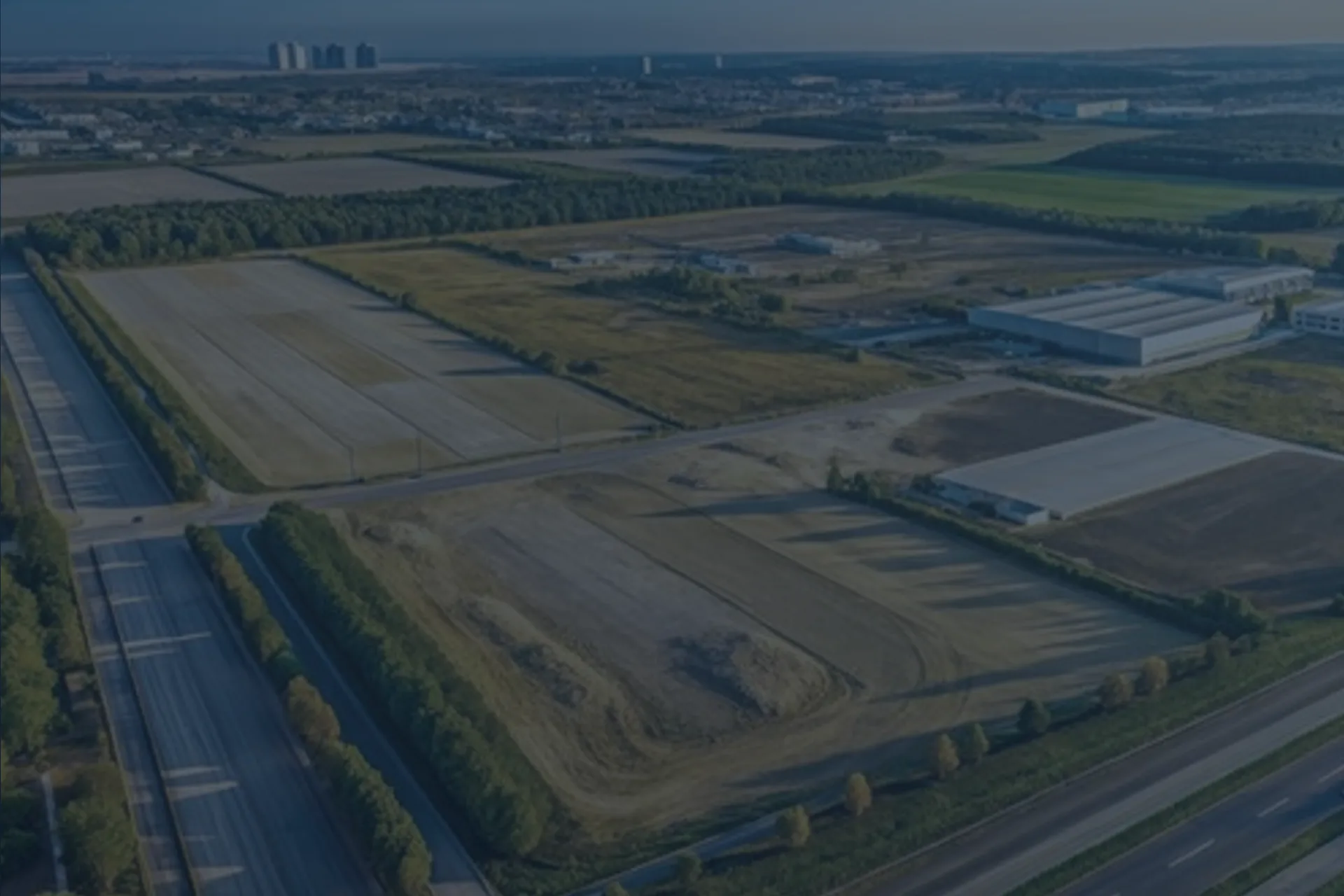
Powered land. The owner delivers controlled, zoned land with confirmed capacity. The tenant designs, builds and operates. Maximum control, maximum tenant capital and delivery risk.
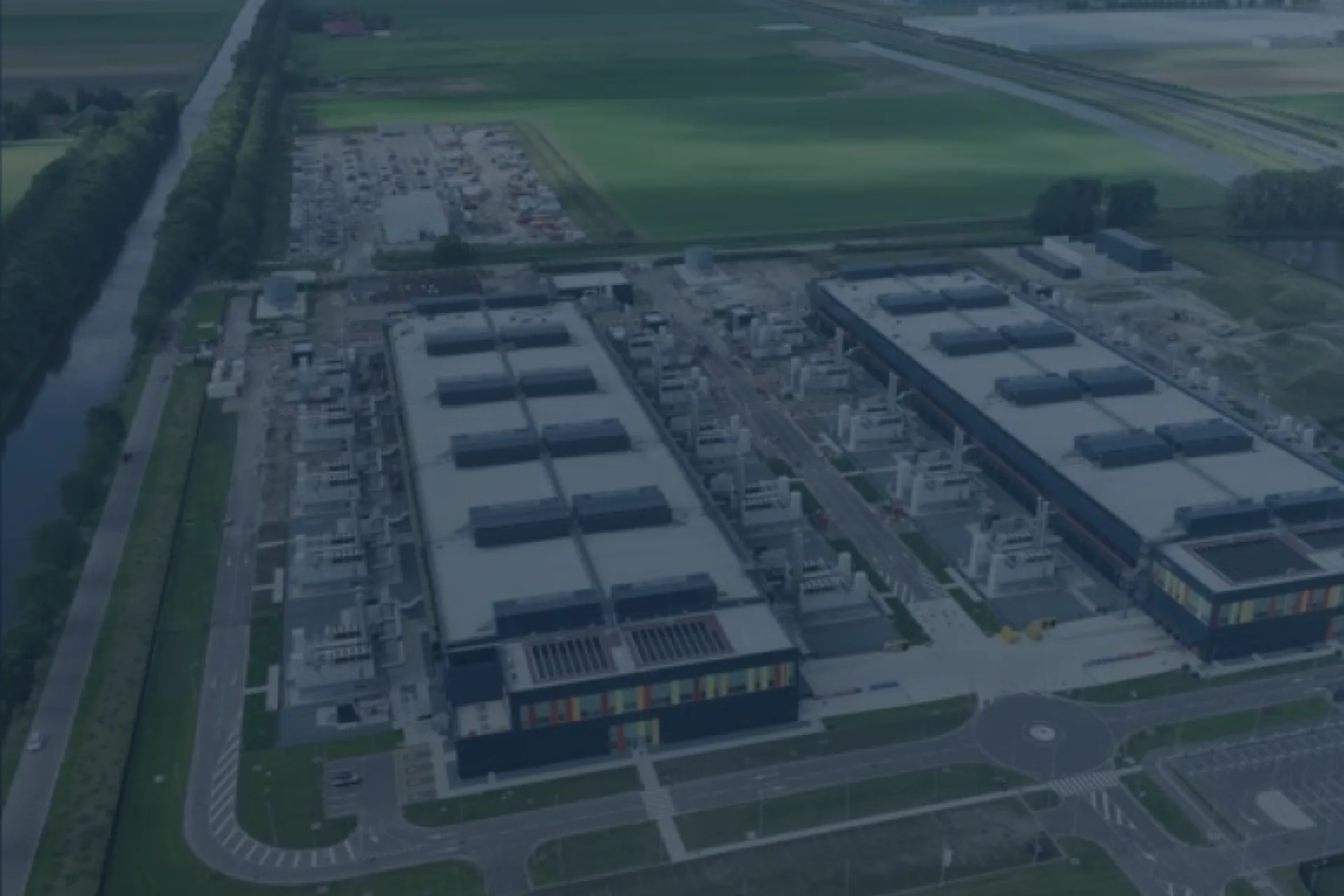
Powered shell. The owner delivers the energised building: grid connection, substation, structure, envelope and core infrastructure, under a long-term lease. The tenant fits out to its reference design. The model reduces tenant-specific fit-out capital exposure while enabling scalable campus deployment, and remains the preference of hyperscalers replicating standard designs across regions.
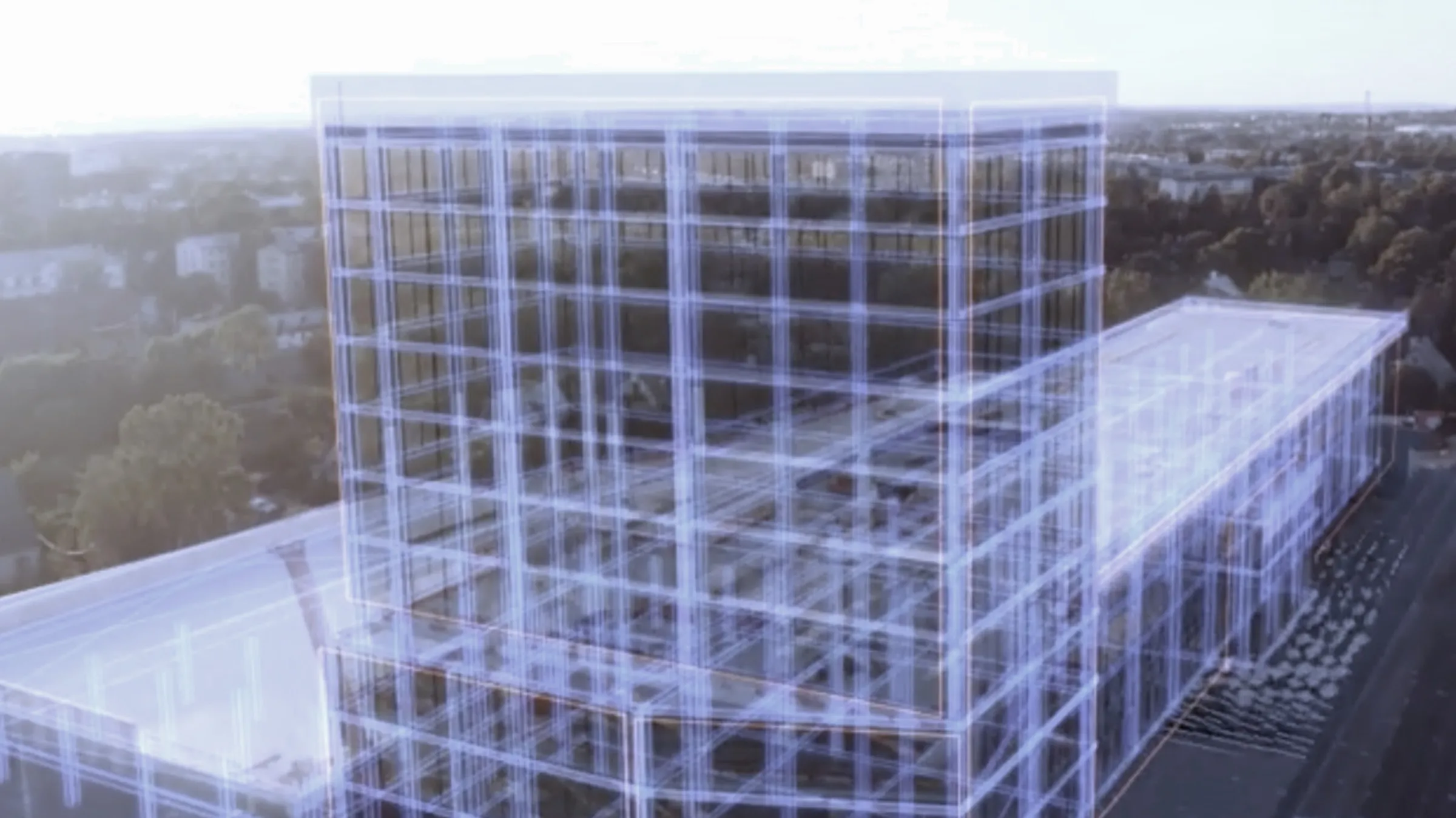
Build-to-suit. The owner designs and builds to the tenant's specification under a long-term lease. The tenant keeps its design without carrying construction.
Fully fitted. The owner delivers ready-to-use white space with power, cooling and racks. The tenant installs compute. Combined with modular delivery, the fastest route from confirmed power to running accelerators.
How the balance is shifting
Two forces are moving the market towards owner-delivered models.
The first is hardware cadence. Rack densities are rising from around 120 kW today towards around 600 kW for Kyber-generation systems expected in 2027. Accelerators depreciate quickly; buildings, power and cooling serve several generations. Tenants increasingly prefer to concentrate capital in compute and take the infrastructure under long-term arrangements.
The second is time. With grid queues in Europe's main hubs averaging seven to ten years, according to the IEA, the fastest projects start on confirmed power, and every layer the owner delivers removes a handover from the tenant's critical path.
Headroom in every model
Whatever the allocation, the facility must outlast several hardware generations: power trains, cooling capacity and floor loading need headroom, and electrical design should accommodate the industry's move towards 800-volt DC distribution.
One campus, several models
At Qore, we offer all four models and frequently combine them: a powered shell for one tenant alongside fully fitted Qore Modular capacity for another on the same campus. Land, power and building are always ours to secure. How much more we deliver is the customer's decision, and our role is to make each option bankable for both sides.
Sources
- NVIDIA Vera Rubin: 600-kilowatt racks, Introl, 2026
- Overcoming energy constraints is key to delivering on Europe's data centre goals, International Energy Agency, November 2025
Figures are as reported by the sources above at the time of writing. This article is for general information only and does not constitute an offer, solicitation or investment, legal or tax advice.

SVP Development and Chief Operating Officer, Qore Infrastructure Partners. Profile